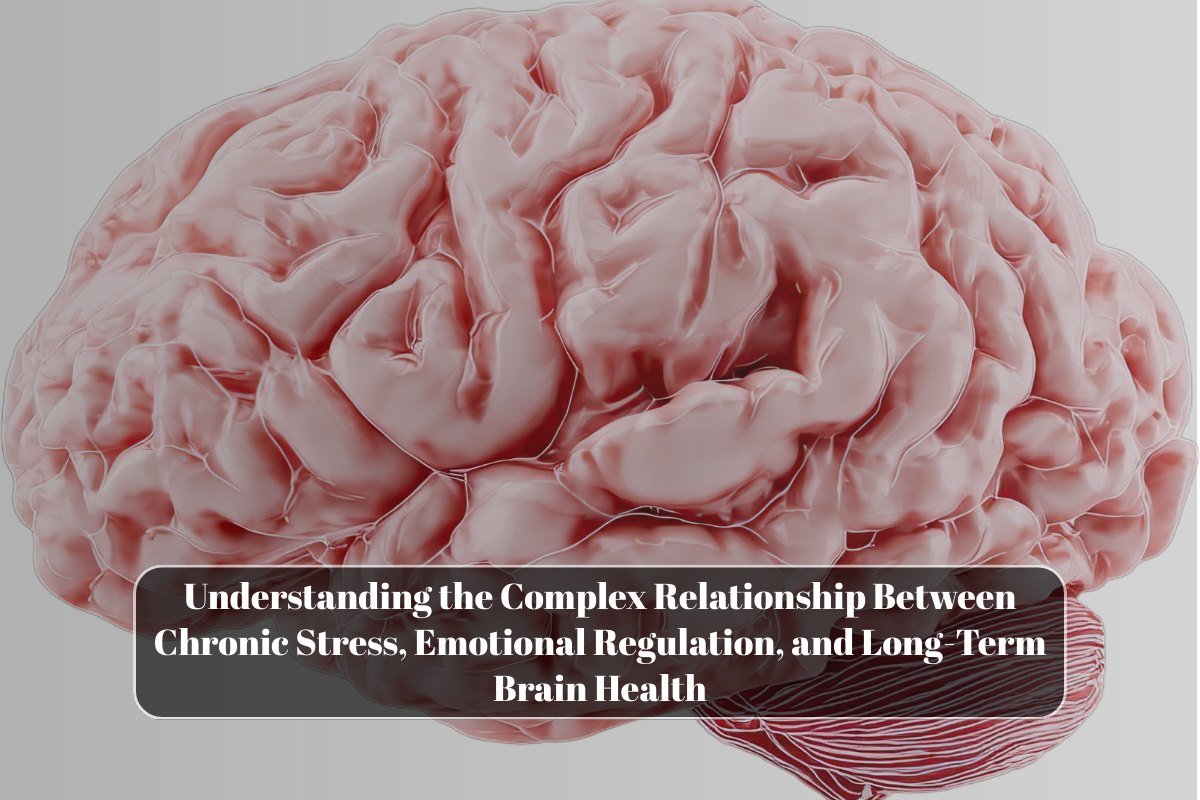
Chronic stress triggers sustained cortisol release, progressively eroding hippocampal neurogenesis, prefrontal cortex function, and amygdala regulation, leading to memory lapses, scattered focus, and mood instability. Over months to years, this hypothalamic-pituitary-adrenal (HPA) axis dysregulation mimics accelerated brain aging, with reversible early changes but potential lasting atrophy if unchecked.
Neurobiological Mechanisms
Acute stress mobilizes glucocorticoids for survival—”fight or flight”—but chronic elevation (>3 months) floods receptors, suppressing brain-derived neurotrophic factor (BDNF) essential for neuron survival. The hippocampus, key for memory consolidation, shrinks 10-20% in high-stress states via dendritic retraction and reduced synaptic plasticity, impairing episodic recall like names or events.

Prefrontal cortex (PFC) executive networks falter under cortisol, disrupting working memory and attention allocation; fMRI shows 15-30% BOLD signal drops in stressed individuals during cognitive tasks. Amygdala hyperactivity amplifies emotional processing, fostering anxiety while blunting reward circuits in the nucleus accumbens.
Early Stage: Subtle Cognitive Shifts
Weeks of stress cause reversible “hot cognition” biases: focus narrows to threats, sidelining non-urgent tasks like planning or multitasking. Working memory capacity drops 20%, per dual n-back tests, as PFC glutamate signaling destabilizes.
Emotional volatility emerges—irritability from serotonin dips, minor frustrations trigger outsized responses. Sleep fragmentation compounds this, with cortisol peaks fragmenting REM, cutting deep sleep 25% and impairing memory consolidation overnight.
Progressive Memory Decline
Months in, declarative memory suffers: chronic cortisol inhibits long-term potentiation (LTP), the synaptic strengthening for facts/learning. Rodent models show 40% LTP reduction after 4 weeks restraint stress; human analogs link high cortisol to 2x poorer verbal recall.
Prospective memory—remembering appointments—fades as hippocampal-PFC connectivity weakens. Multitaskers under stress forget 30% more intentions, per ecological studies, accelerating “senior moments” in young adults.
Impaired Focus and Executive Function
Sustained stress fragments attention via default mode network intrusions—mind-wandering rises 50%, per EEG alpha asymmetry. Inhibitory control erodes; Stroop task errors climb 25%, reflecting PFC overload.
Decision-making skews risk-averse or impulsive: chronic stress biases orbitofrontal choices toward immediate rewards, mimicking addiction patterns and compounding work errors.
Emotional Instability and Mental Health
Amygdala sensitization heightens fear conditioning, turning neutral cues anxiety-provoking; emotional memory over-consolidation explains rumination loops in 60% of stressed cohorts. Serotonin/norepinephrine imbalances foster depression symptoms—flat affect, anhedonia—in 40% after 6 months.
Allostatic load accumulates: telomere shortening accelerates cellular aging 10 years equivalent, linking chronic stress to PTSD-like hypervigilance or burnout dissociation.
Long-Term Brain Changes and Recovery
Years of unmanaged stress yield structural atrophy: MRI meta-analyses show 5-12% hippocampal volume loss, akin to mild cognitive impairment. White matter integrity declines, slowing neural transmission 15%.
Reversibility hinges on intervention: mindfulness reduces cortisol 20% in 8 weeks, restoring BDNF; aerobic exercise boosts hippocampal volume 2% yearly. Sleep hygiene and social support buffer HPA hyperactivity.
FAQ
1. How quickly does chronic stress affect memory?
Subtle declines start in weeks via reduced LTP; declarative memory impairs after 1-3 months, with 20-40% recall drops in high-cortisol individuals.
2. Why does stress scatter focus more than fatigue?
Cortisol disrupts PFC glutamate, causing 25-50% attention fragmentation and mind-wandering, beyond simple tiredness.
3. Can emotional instability from stress become permanent?
No—early intervention reverses amygdala hyperactivity; prolonged cases risk 5-12% atrophy but recover 60-80% with therapy/exercise.
4. What role does sleep play in stress-brain damage?
Fragmented sleep from cortisol cuts memory consolidation 25%, amplifying hippocampal vulnerability over months.
5. How to reverse cognitive effects of chronic stress?
Mindfulness/aerobics lower cortisol 20%, boost BDNF; 8-12 weeks yield 2% hippocampal regrowth and focus gains.