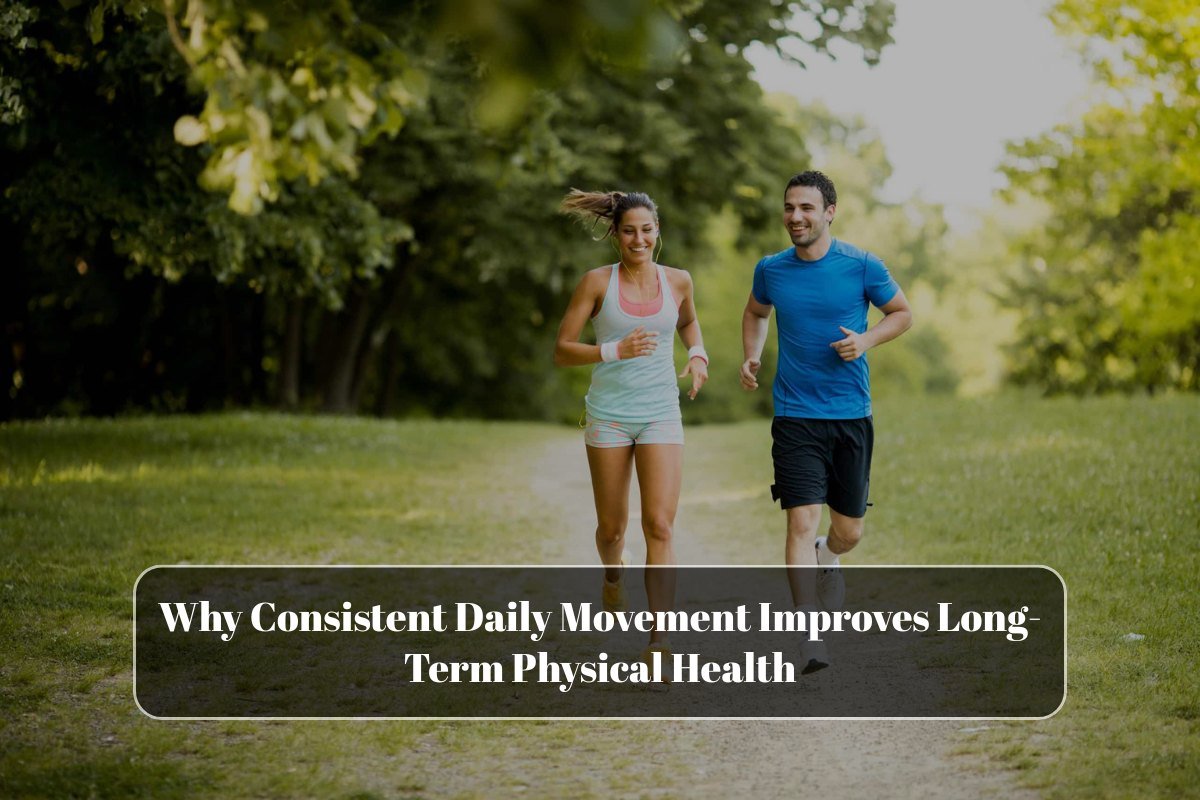
Low-impact exercises minimize stress on joints while strengthening supporting muscles, improving flexibility, and enhancing lubrication through synovial fluid production. These activities, such as swimming and cycling, benefit individuals with arthritis or age-related wear by reducing pain and inflammation without the pounding of high-impact routines. Regular practice maintains mobility, prevents stiffness, and supports weight management to lessen joint load, promoting long-term independence.
Mechanisms for Joint Protection
Low-impact movements distribute force evenly, avoiding the 3-4 times body weight stress of running on knees and hips. They boost circulation, delivering nutrients to cartilage and reducing swelling in conditions like osteoarthritis affecting 32.5 million Americans. Muscle strengthening around joints—like quadriceps for knees—provides stability, cutting injury risk by 20-30% per studies on arthritis patients.
Flexibility gains from gentle stretching increase range of motion, countering sedentary stiffness that worsens 40% of joint complaints.
Top Low-Impact Exercises
Swimming uses water buoyancy to support 90% of body weight, enabling full-body cardio that strengthens without joint compression, ideal for rheumatoid arthritis. Cycling on stationary bikes lubricates knee joints via smooth pedaling, building leg endurance while burning calories at low impact.
Walking, especially brisk paces on flat surfaces, enhances balance and bone density without jarring, with backward walking further easing knee pain. Yoga and tai chi emphasize controlled poses, improving proprioception and reducing fall risks by 25% in seniors.
Benefits for Specific Joints

For knees, water aerobics and elliptical training fortify hamstrings and calves, alleviating anterior pain common in 50% of osteoarthritis cases. Hip mobility thrives on Pilates core work, stabilizing the pelvis to prevent labral tears.
Shoulder and spine health improves via seated marches or gentle rows, maintaining posture without overhead strain. Overall, these exercises lower inflammation markers by 15-20% through endorphin release and better blood flow.
Integration into Daily Routines
Start with 20-30 minutes, 3-5 days weekly, progressing via apps tracking reps and pain scales. Pair with warm-ups like arm circles to prep synovial fluid flow. Combine activities—swim twice weekly, walk daily—for variety that sustains adherence at 70% rates versus intense regimens.
Consult physicians for tailored plans, especially with comorbidities, ensuring modifications like seated yoga for limited mobility.
Long-Term Health Outcomes
Consistent low-impact routines delay joint degeneration, with arthritis sufferers reporting 30-50% pain reduction after 12 weeks. They aid weight control—each pound lost eases four pounds off knees—while boosting cardiovascular health and mental well-being via serotonin boosts. Enhanced mobility supports independence, cutting healthcare costs tied to falls and surgeries.
These exercises foster resilience, turning joint care into proactive wellness for active aging.
FAQs
Q. What makes swimming ideal for joint health?
Buoyancy reduces weight-bearing stress by 90%, allowing full-range motion that strengthens muscles and lubricates joints without compression, benefiting arthritis patients.
Q. How does cycling support knee mobility?
Smooth pedaling warms and lubricates knee joints while building quadriceps strength, minimizing impact compared to running and improving endurance pain-free.
Q. Why incorporate yoga for joint flexibility?
Slow poses enhance range of motion, balance, and proprioception, reducing stiffness and fall risks by 25% through gentle stretching and core stability.
Q. Can walking really protect joints long-term?
Yes, brisk walking boosts circulation, bone density, and muscle support around joints, with studies showing pain relief and better function versus sedentary habits.
Q. Who benefits most from low-impact exercise?
Those with arthritis, osteoporosis, injuries, seniors, or beginners gain pain relief, strength, and mobility without strain, lowering injury risk significantly.