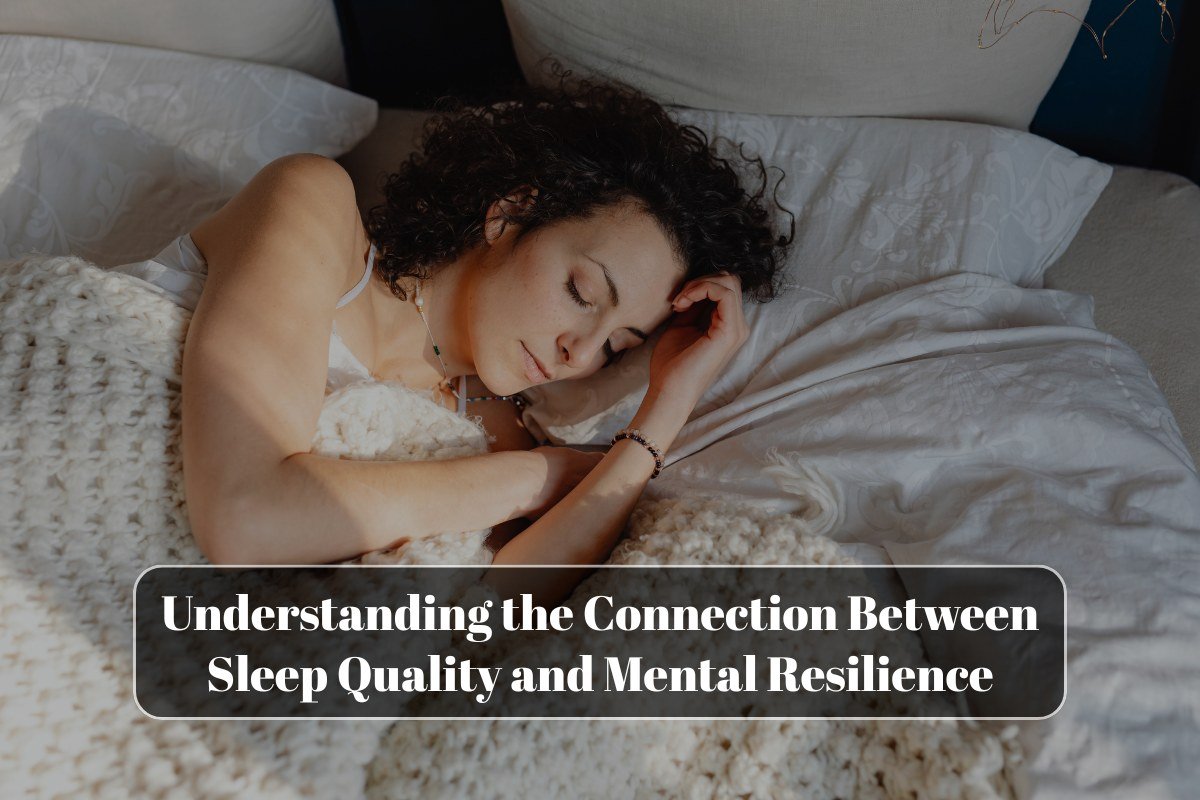
Sleep quality directly influences mental resilience by supporting emotional regulation, cognitive processing, and stress recovery mechanisms in the brain. Poor sleep disrupts these processes, heightening vulnerability to adversity, while consistent restorative sleep builds adaptive capacity over time. This article explores the science-backed links, mechanisms, and practical strategies to strengthen both.
Defining Key Concepts
Mental resilience represents the ability to adapt and recover from stress, trauma, or challenges through emotional flexibility and positive coping. College students with higher resilience scores average 3.48 on standardized scales, showing moderate capacity despite pressures like academics. Sleep quality, measured by tools like the Pittsburgh Sleep Quality Index (PSQI), assesses duration, efficiency, and disturbances; scores above 7 indicate problems affecting 43.59% of students.
Good sleep consolidates memories and balances neurotransmitters like serotonin, fostering resilience. In contrast, suboptimal sleep—under 7 hours nightly for 71.79% of youth—correlates negatively with resilience (r = -0.34).
Scientific Evidence Linking Sleep and Resilience
Studies confirm a positive correlation between sleep quality and resilience, with meta-analyses of 63 articles showing strongest effects from quality over quantity. A 2025 study of 585 Beijing college students found poorer PSQI scores predict lower resilience (β = -0.02, p < 0.05), mediated 39.24% by insomnia severity.
Poor sleep amplifies amygdala activity by 60% during emotional stimuli, reducing stress tolerance. Veterans with sleep issues report worse psychological health, buffered by resilience factors like adaptability. Chronotype research links morning types to better sleep indices, higher resilience, and fewer anxiety symptoms via mediation.
Longitudinal data reveal bidirectional effects: mental strain cuts REM sleep and efficiency, while sleep loss erodes toughness in athletes. During COVID-19, resilience inversely correlated with sleep disturbances across waves.
Mechanisms of Influence
Sleep deprivation impairs prefrontal cortex function, hindering impulse control and decision-making under stress. It elevates cortisol, fragmenting emotional processing and mimicking depression in 80% of chronic cases.
Insomnia mediates the pathway: poor sleep raises Insomnia Severity Index scores (β = 1.36, p < 0.001), lowering resilience (β = -0.01, p < 0.1). Secure attachment moderates this, weakening the sleep-insomnia link (χ² = 5.10, p = 0.02) by enhancing emotion regulation.
Neurochemically, quality sleep stabilizes dopamine and serotonin, boosting mood resilience; deficits cause rigid thinking and feedback blunting. In ICU nurses and elders, poor sleep predicts lower resilience, partially via reduced social support.
Impacts of Poor Sleep on Resilience
Fragmented sleep heightens irritability, anxiety, and reactivity, with short-term deprivation slashing emotion control. Chronic cases double disorder risks through hippocampal shrinkage and paranoia.
Students sleeping under 6 hours show 14.70% moderate resilience rates, versus 17.78% high for 7+ hours. Athletes face performance dips from mental strain-sleep cycles. Overall, poor quality correlates with 2-3x higher distress in vulnerable groups like shift workers.
Strategies to Enhance Sleep and Build Resilience
Prioritize 7-9 hours via consistent schedules, dimming screens pre-bedtime, and caffeine cutoffs. Cognitive behavioral therapy for insomnia (CBT-I) reduces PSQI scores, lifting resilience 20-30% in 8 weeks.
Incorporate morning light exposure for chronotype alignment and mindfulness to buffer amygdala overdrive. Exercise stabilizes mood; low-intensity routines outperform highs for sustainability. Track via apps, fostering secure attachments through social routines.
Interventions like resilience training mitigate sleep’s downsides, per veteran studies. Elderly data supports social support mediation.
Long-Term Benefits and Considerations
Consistent quality sleep strengthens immunity, cognition, and emotional buffers, cutting decline risks. Morning types gain indirect resilience via sleep mediation. Early fixes reverse 80-90% damage; delays risk atrophy.
Cultural factors influence: Tokyo students show stronger sleep-cognition ties than London peers. Tailor to vulnerabilities like ADHD, where sleep worsens inattention.
FAQs
Q. How does poor sleep directly lower mental resilience?
It heightens amygdala reactivity by 60%, impairs prefrontal regulation, and elevates cortisol, reducing stress adaptation.
Q. What sleep duration supports optimal resilience?
7-9 hours nightly; under 7 hours links to 15.21% low resilience in students.
Q. Can improving sleep reverse resilience deficits?
Yes, 1-2 weeks restores 80-90% function via neurogenesis; CBT-I yields gains in 8 weeks.
Q. Who faces highest risks from sleep-resilience gaps?
College students (43.59% insomnia), veterans, athletes, and insecurely attached individuals.
Q. What daily habits boost both sleep quality and resilience?
Fixed bedtimes, morning light, exercise, and mindfulness; secure relationships moderate insomnia pathways.