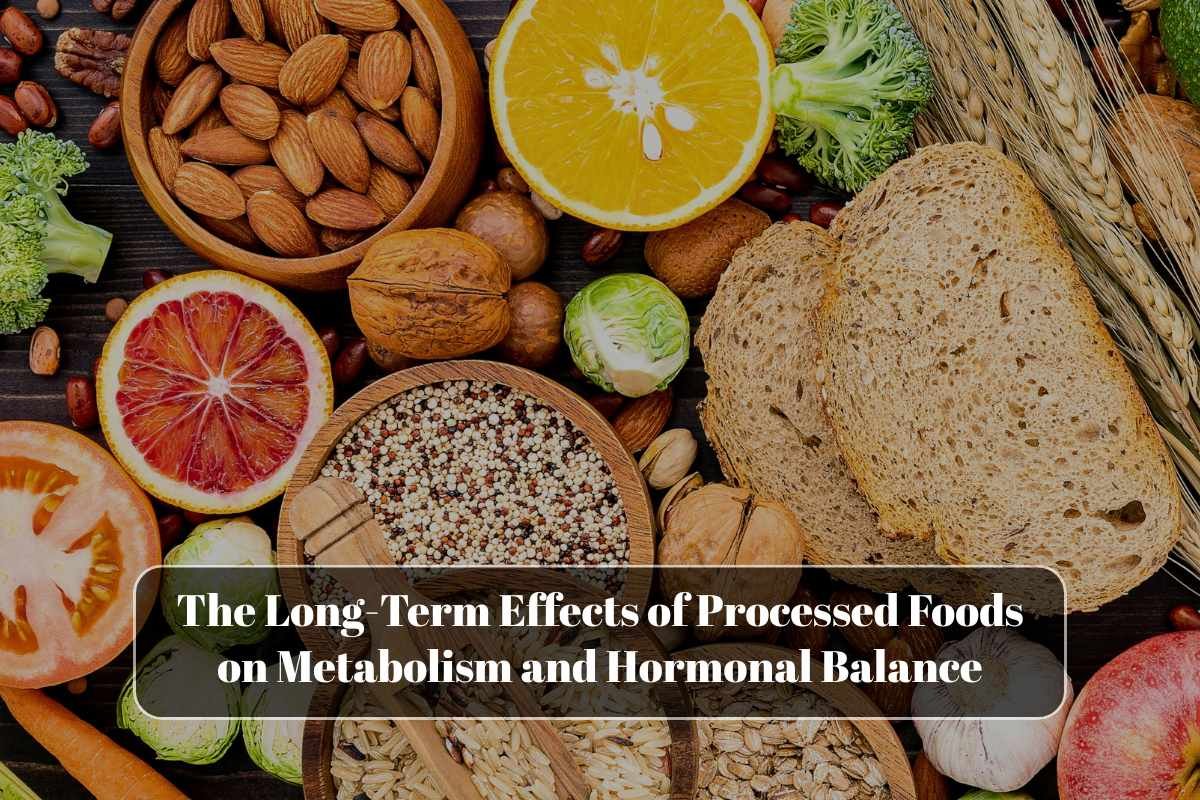
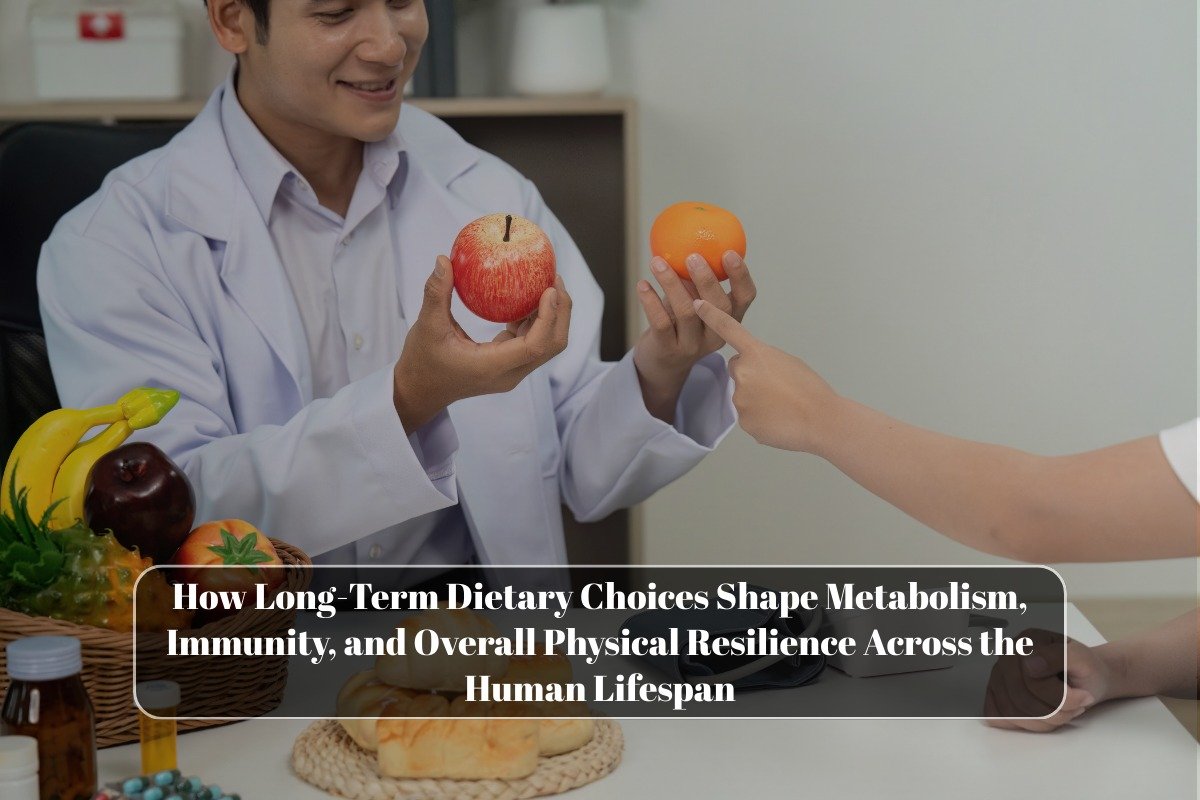
Balanced eating patterns provide essential macronutrients and micronutrients that fuel immune cell production, reduce inflammation, and enhance barrier defenses across life’s stages. Diets rich in fruits, vegetables, lean proteins, whole grains, and healthy fats—like the Mediterranean pattern—support adaptive immunity by delivering vitamins C, D, zinc, and antioxidants, lowering infection risk without relying on supplements.
Nutrients Fueling Immune Cells
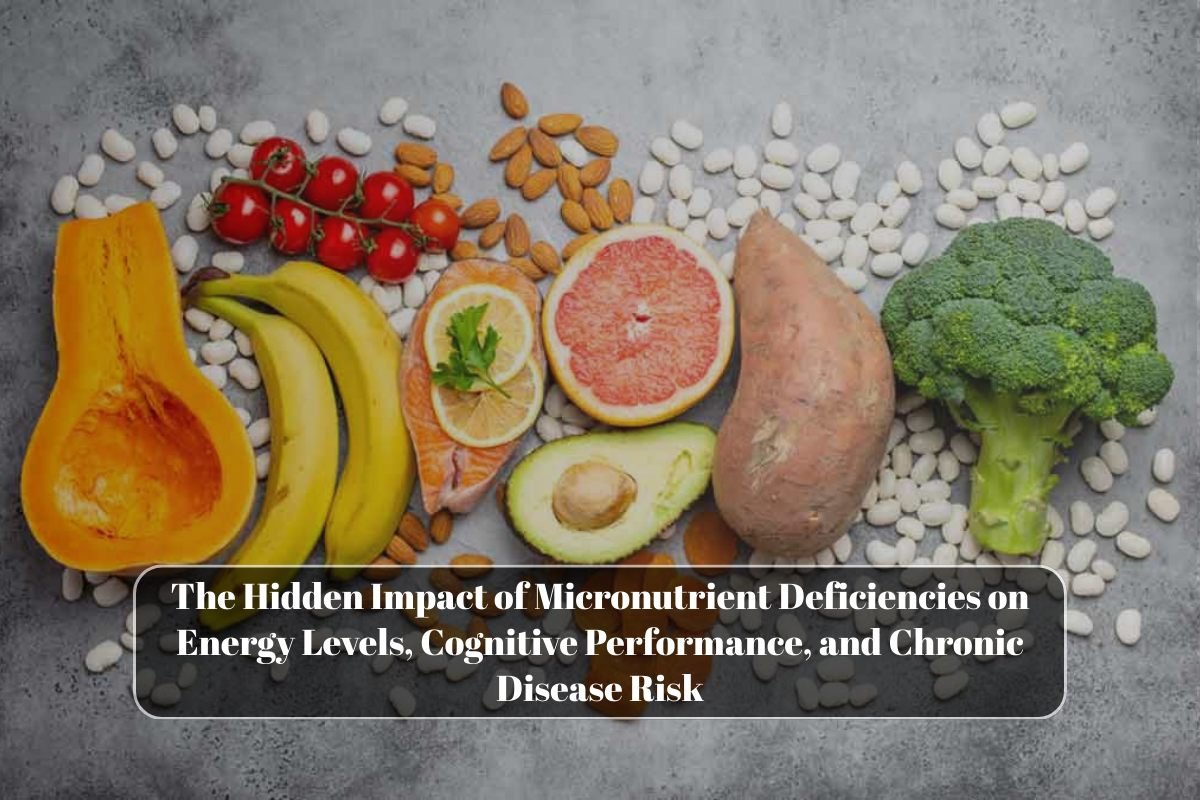
Proteins supply amino acids like glutamine for T-cell proliferation and antibody synthesis, while zinc and selenium regulate immune signaling—deficiencies impair neutrophil function by 50%. Vitamins A and E act as antioxidants, protecting lymphocytes from oxidative stress during infections; vitamin D modulates innate responses, reducing respiratory illness severity.
Fiber from whole grains and legumes nurtures gut microbiota, producing short-chain fatty acids that stimulate regulatory T-cells and curb chronic inflammation linked to autoimmunity. Omega-3s from fish and nuts dampen pro-inflammatory cytokines, balancing Th1/Th2 responses for optimal defense.
Infancy and Early Childhood
Breast milk or fortified formulas deliver antibodies (IgA), prebiotics, and DHA to colonize the infant gut with Bifidobacteria, cutting infection rates 30-50% versus formula alone. Introducing diverse solids—pureed fruits, veggies, yogurt—by 6 months builds micronutrient stores; iron-rich cereals prevent anemia, which halves vaccine efficacy.
Toddlers need balanced plates: half fruits/veggies, quarter grains, quarter protein, supporting rapid lymphoid growth. Patterns avoiding excess sugar limit dysbiosis, reducing ear infections and allergies.
Adolescence and Reproductive Years
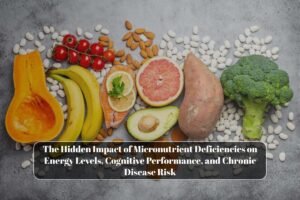
Teens face growth spurts and stress, demanding 20-30% more zinc and protein for thymic output; plant-based eaters pair iron sources (spinach) with vitamin C (citrus) for 6x absorption. Pregnancy requires folate-rich legumes and omega-3s to prevent neural tube defects while bolstering maternal NK cells against infections like listeria.
Active adults benefit from anti-inflammatory patterns: berries’ polyphenols enhance macrophage phagocytosis, while fermented foods (yogurt, kimchi) boost secretory IgA for mucosal immunity.
Adulthood and Aging
Midlife balanced diets counter metabolic stress; Mediterranean patterns with olive oil, nuts, and fish lower CRP inflammation markers 20%, preserving telomere length in immune cells. Shift to calorie-appropriate portions prevents obesity, which impairs dendritic cell function via adipokines.
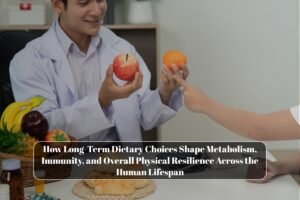
Seniors experience thymic involution, but vitamin D (salmon, fortified milk) and B12 (eggs, meat) restore T-cell diversity; high-fiber intake combats immunosenescence by sustaining microbiota. Protein at 1.2g/kg body weight counters sarcopenia, maintaining physical barriers like skin integrity.
Practical Patterns for Lifelong Immunity
Adopt MyPlate: fill half plate with colorful produce (vitamin C/A sources), quarter whole grains, quarter lean protein, plus dairy/nuts. Hydrate with water; limit processed foods to <10% calories, minimizing gut permeability (“leaky gut”).
Weekly staples: leafy greens (folate), citrus/berries (antioxidants), fatty fish (D/omega-3), legumes (zinc/iron), yogurt (probiotics). Meal prep salads, smoothies, stir-fries for variety; season with turmeric/ginger for curcumin’s NF-κB inhibition.
Lifestyle synergy: pair diet with 7-9 hours sleep, exercise, stress management—cortisol excess suppresses immunity.
FAQ
1. Which nutrients are most critical for immune cell growth?
Protein (glutamine), zinc, selenium, vitamins A/C/D/E provide structure, energy, and signaling for T-cells, neutrophils, and antibodies.
2. How does diet differ for infants versus seniors?
Infants prioritize breast milk’s IgA/prebiotics for gut colonization; seniors need extra protein (1.2g/kg), B12, D to combat immunosenescence.
3. Can a Mediterranean diet boost adult immunity?
Yes—its fruits, fish, olive oil, nuts reduce inflammation 20% via polyphenols/omega-3s, enhancing phagocytosis and T-cell function.
4. Why avoid excess sugar in balanced eating?
Sugar promotes dysbiosis and suppresses neutrophils, raising infection risk; limit to <10% calories for gut-immune homeostasis.
5. Are supplements needed if eating balanced meals?
Rarely—whole foods ensure synergies (e.g., vitamin C aids iron uptake); consult providers for deficiencies only.