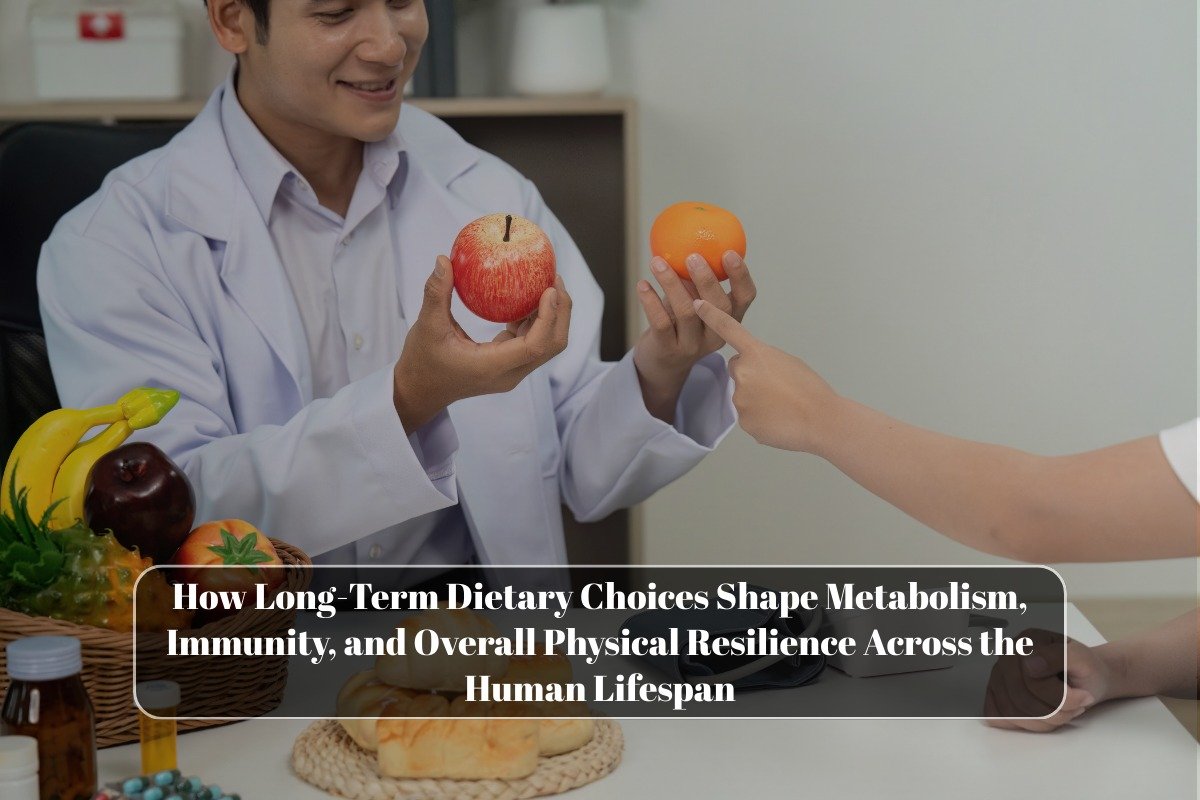
Long-term dietary patterns profoundly influence metabolic efficiency, immune function, and physical resilience from childhood through old age. Nutrient-dense diets rich in plants, whole grains, and healthy fats promote longevity by optimizing energy use, reducing inflammation, and bolstering defenses against age-related decline. Sustained poor choices, like high animal protein or processed foods, accelerate metabolic slowdown, weaken immunity, and erode resilience.
Metabolic Adaptations Over Time
Metabolism peaks in infancy, stabilizes from ages 20 to 60, then declines by about 0.7% annually after 60, influenced heavily by diet. Low-protein, high-carbohydrate diets suppress mTORC1 signaling, enhance mitochondrial function, and mimic calorie restriction benefits, improving insulin sensitivity and lipid profiles across adulthood. In contrast, high intake of branched-chain amino acids from red meat elevates IGF-1, promotes fat accumulation, and hastens metabolic dysfunction in midlife.
Plant-based patterns with legumes, nuts, and whole grains extend life expectancy by up to 10 years if adopted early, via better glucose regulation and reduced oxidative stress. Aging shifts fat storage toward viscera, but diets low in saturated fats and high in fiber preserve energy expenditure and prevent lipotoxicity.
Immune System Lifelong Tuning
Diet shapes immunity from perinatal stages, where nutrient deficits program lifelong vulnerability to infections and inflammation. Antioxidants from fruits, vegetables, and omega-3s curb inflammaging—chronic low-grade inflammation driving immunosenescence—preserving T-cell function and vaccine response into old age. High-fat, low-fiber diets disrupt gut microbiota, suppressing T-cell memory and heightening infection risk within days.
Protein restriction boosts FGF21 and autophagy, linking to stronger adaptive immunity, while excess methionine or BCAAs triggers NF-κB inflammation. Mediterranean-style eating, with its anti-inflammatory profile, sustains cytokine balance and reduces age-related immune decline.
Building Physical Resilience
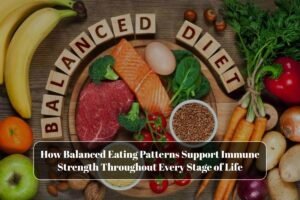
Resilience—recovery from stress like injury or illness—peaks with diets supporting muscle maintenance and anti-oxidative defenses. Whole foods high in unsaturated fats, nuts, and legumes combat sarcopenia, enhancing strength and functionality past 70. Calorie moderation without malnutrition preserves bone density and joint health via H2S production from sulfur amino acid balance.
High processed meat intake erodes resilience through TMAO buildup and endothelial damage, while plant proteins foster mitochondrial biogenesis for enduring physical capacity. Combined with activity, fruit-vegetable boosts (to 500g daily) yield synergistic gains in grip strength and walking endurance.
Lifespan Stages and Optimal Choices
Childhood and youth set metabolic baselines; low-animal-protein diets curb early IGF-1 spikes, preventing obesity trajectories. Midlife (40-65) benefits most from switching to whole grains and nuts, gaining 8-10 life years by slashing NCD risk. Elders need moderated protein (plant-sourced) to avoid frailty without excess mTOR activation.
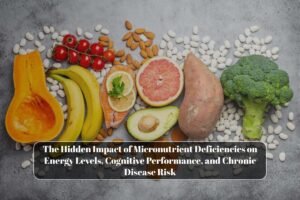
Across stages, methionine/BCAA curbs via less red meat optimize GH/IGF-1, extending healthspan. Feasibility-focused shifts—like more legumes, fewer sugars—yield 7%+ longevity boosts even later.
FAQs
Q. What diet best supports metabolism in midlife?
Low-protein (under 10% calories), high-carbohydrate from whole sources optimizes insulin sensitivity and energy use, per cohort studies.
Q. How does diet affect immunity in older adults?
Antioxidant-rich plants reduce inflammaging; omega-3s and probiotics preserve T/B-cell function against infections.
Q. Can dietary changes reverse age-related resilience loss?
Yes, adding nuts, legumes, and unsaturated fats rebuilds muscle and cuts frailty risk by 20-30% in trials.
Q. Why limit red meat across lifespan?
High methionine/BCAAs promote cancer, CVD; plant swaps extend life by 10+ years if started young.
Q. What’s the protein sweet spot for longevity?
10-19% calories from plants in midlife; slightly higher post-65 to prevent sarcopenia, balancing IGF-1 and muscle needs.