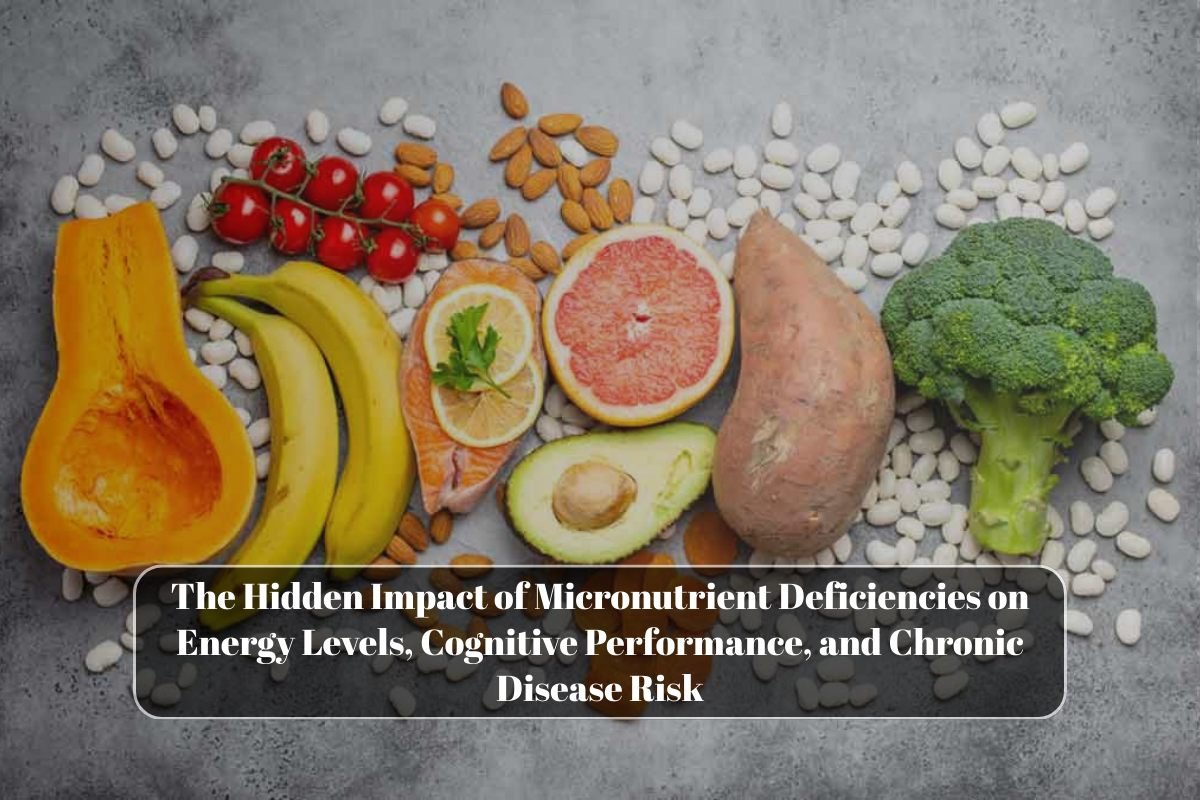
Micronutrient deficiencies subtly undermine energy production, sharpen cognitive decline, and elevate chronic disease susceptibility, often going undetected until symptoms emerge. Vitamins B-complex, C, D, iron, magnesium, and zinc drive ATP synthesis, neurotransmitter function, and antioxidant defenses, with shortfalls affecting billions worldwide. Correcting these gaps through diet or supplements can restore vitality and cut disease risk by 20-50% in vulnerable groups.
Draining Energy Production
B vitamins (B1, B2, B3, B5, B6, B12) and iron form the core of mitochondrial energy pathways; deficiencies halt Krebs cycle enzymes, slashing ATP output and causing fatigue. Vitamin B12 shortfall impairs red blood cell formation, leading to anemia and persistent exhaustion, especially in vegans or the elderly with absorption issues. Magnesium powers over 300 reactions, including ATP stabilization; low levels trigger muscle cramps, weakness, and unexplained tiredness affecting daily function.
Zinc and vitamin C support oxygen transport and collagen synthesis for endurance; deficits compound fatigue via oxidative stress and poor recovery. Studies show supplementation reverses these in weeks, boosting energy by normalizing homocysteine and inflammation markers.
Impairing Cognitive Function
Iron deficiency disrupts dopamine synthesis and myelination, slowing processing speed and attention in children and adults. Vitamin B12 and folate shortages elevate homocysteine, damaging neurons and raising mild cognitive impairment risk by impairing memory and executive function. Zinc modulates synaptic plasticity; low intake links to ADHD-like symptoms, poor learning, and neurodegeneration in 69% of deficient Indian schoolchildren.
Omega-3s, vitamin D, and selenium protect against amyloid buildup; shortfalls predict Alzheimer’s progression and correlate with lower IQ scores. Micronutrient cocktails improved cognition in trials, enhancing reaction time and reasoning via epigenetic tweaks like DNA methylation.
Fueling Chronic Diseases
Subclinical deficits accelerate oxidative damage, inflammation, and mitochondrial decay, priming cardiovascular disease, diabetes, and cancer. Low vitamin D and magnesium heighten hypertension and insulin resistance, with 25% of type 2 diabetics magnesium-deficient. Selenium and zinc gaps weaken antioxidant enzymes, boosting cancer odds in low-soil regions.
Vitamin A, C, E shortages promote atherosclerosis via endothelial harm, while B-vitamin lacks foster DNA breaks and early senescence. Over 2 billion face these risks, with deficiencies explaining 30% of global chronic burdens; fortification halves osteoporosis and frailty rates.
Detection and Prevention Strategies
Blood tests reveal hidden shortfalls, as symptoms mimic stress or aging; at-risk groups include women, elderly, and vegetarians. Diverse diets with leafy greens, nuts, seafood, and fortified foods prevent most cases, targeting 7 common gaps like iron (12.5% anemia prevalence). Supplements shine for confirmed deficits, but excess risks toxicity—pair with professional guidance.

Biofortification and policy fortification yield population gains, restoring energy and cognition in trials within months.
FAQs
Q. Which micronutrients most drain energy levels?
B vitamins, iron, and magnesium; they fuel ATP production—deficits cause anemia and mitochondrial failure in over 50% with fatigue.
Q. How do deficiencies harm cognitive performance?
Iron, B12, folate, and zinc impair neurotransmitters and DNA repair, linking to poor memory, attention, and higher Alzheimer’s risk.
Q. What chronic diseases stem from micronutrient gaps?
Cardiovascular issues, diabetes, cancer, osteoporosis; low D, magnesium, selenium raise risks via inflammation and oxidative stress.
Q. Who faces highest deficiency risks?
Vegans (B12), elderly (absorption), children in developing areas (iron, zinc)—69% of Indian kids show multiple shortfalls.
Q. Can supplements reverse these hidden impacts?
Yes, targeted ones boost energy, cognition in 8 weeks via blood level normalization, but prioritize food sources first.