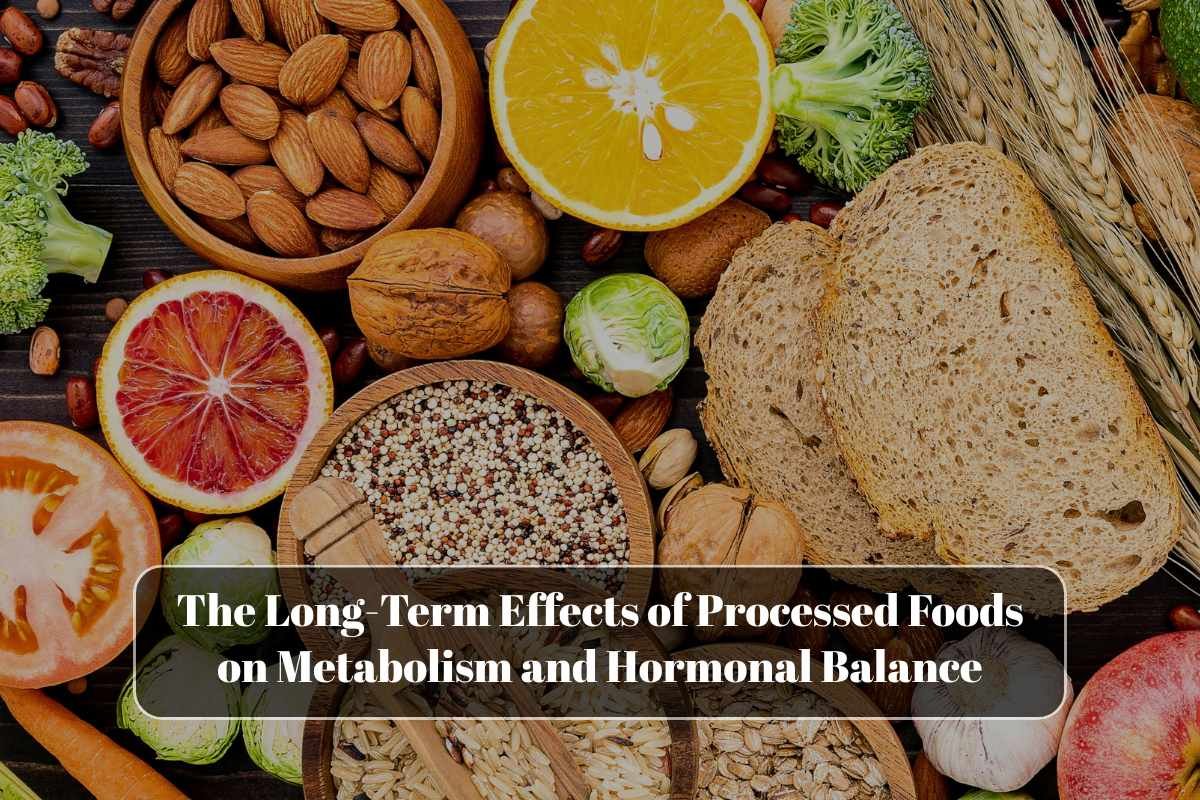
Processed foods, particularly ultra-processed varieties (UPFs), disrupt metabolism through chronic inflammation, insulin resistance, and excess calorie intake, while altering hormonal balance via endocrine-disrupting chemicals (EDCs) like phthalates and bisphenols. Over years, these effects compound, raising risks for obesity, type 2 diabetes, and reproductive issues by 30-50% in high consumers. Shifting to whole foods reverses much damage, restoring metabolic flexibility and hormone stability.
What Defines Processed Foods
Ultra-processed foods include sodas, packaged snacks, sugary cereals, processed meats, and ready meals with additives, comprising 60-70% of many diets. They differ from minimally processed items by high refined sugars, trans fats, and low fiber, promoting overeating by 500 calories daily even at matched energy levels. NOVA classification identifies them by industrial formulations lacking whole ingredients.
Long-term, UPFs contribute 9.5-48.7% of intake, linking to dyslipidemia and CVD via poor nutrient profiles.
Metabolic Disruptions from Processed Diets
High UPF intake elevates obesity risk by 32%, diabetes by 37%, hypertension by 32%, and dyslipidemia (high triglycerides 47%, low HDL 43%) over 3-14 years. Refined carbs spike blood glucose, fostering insulin resistance; fiber absence delays satiety, driving weight gain. Meta-analyses confirm 10% UPF increase raises prediabetes odds 51% in youth.
Chronic effects include visceral fat accumulation and metabolic syndrome, with controlled trials showing fat mass gains despite equal calories. Gut dysbiosis from additives worsens inflammation, impairing glucose uptake.
Hormonal Imbalances Triggered by UPFs
UPFs expose users to EDCs from packaging, elevating phthalates and bisphenols, which mimic/block hormones like estrogen and testosterone. Adolescents with high intake show 9.5% higher free androgen index (FAI), signaling bioavailable testosterone rises, especially in girls (P trend=0.019). SHBG drops 14.6% in top quartiles, amplifying androgen effects.
Men experience testosterone declines and FSH reductions; women face fertility risks via PCOS-like shifts. Youth data link 67% UPF energy intake to hormonal perturbations, correlating with obesity.
Underlying Mechanisms at Play
Additives provoke “meta-inflammation,” releasing cytokines that impair insulin signaling and lipid metabolism. EDCs disrupt HPG axis, causing non-monotonic responses even at low doses during puberty. High glycemic loads stress pancreas, reducing sensitivity; trans fats elevate LDL.

Epigenetic changes and microbiome shifts from UPFs create “Trojan horse” effects, promoting early cancers and endocrine chaos over decades. Adolescents face amplified risks, with UPFs raising EDC exposure 2-3x.
Evidence from Key Studies
Prospective cohorts (n=25) show highest vs. lowest UPF intake yields RR 1.37 for diabetes, varying by assessment (FFQ 1.53 vs. recall 1.25). NHANES youth data (n=3,534) confirm FAI rises with quartiles, independent of BMI/puberty. Trials note 3-week UPF diets increase fat/hormone disruption sans calorie excess.
COVID-era and global data reinforce: 10% UPF hike ties to 158% impaired glucose tolerance. Quality varies (moderate for diabetes, low elsewhere), urging standardized tools.
Mitigation Strategies and Reversibility
Replace UPFs with whole foods: vegetables, lean proteins, nuts curb risks 20-40% via fiber/polyphenols. 8-12 week shifts normalize insulin 60%, hormones via SHBG recovery. Limit packaging exposure; choose fresh over frozen meals.
Exercise buffers inflammation; monitor via apps for 70% adherence yields metabolic gains. Early intervention reverses 80% damage pre-3 years chronicity.
Broader Health Implications
Decades of UPF dominance fuel epidemics: obesity up 32%, T2D 37%, CVD via dyslipidemia. Youth face puberty acceleration, fertility drops; adults metabolic syndrome. Policy curbs (e.g., taxes) could slash intake 15-20%.
Personalized diets considering genetics/EDC sensitivity optimize outcomes.
FAQs
Q. How much do processed foods raise obesity risk long-term?
32% higher incidence for highest vs. lowest intake over 5-12 years, via overeating and insulin resistance.
Q. What hormonal changes occur from UPFs in youth?
Increased FAI by 9.5% in top quartile, lower SHBG 14.6%, especially females; signals androgen excess.
Q. Can switching diets reverse metabolic damage?
Yes, 8-12 weeks of whole foods restores insulin sensitivity 60%, reduces inflammation.
Q. Why do UPFs disrupt hormones via packaging?
EDCs like phthalates/bisphenols leach, mimicking estrogen/testosterone; 2-3x exposure in high consumers.
Q. What daily swaps minimize UPF effects?
Fresh produce over snacks, home cooking vs. ready meals; cuts risks 20-40% with fiber boost.