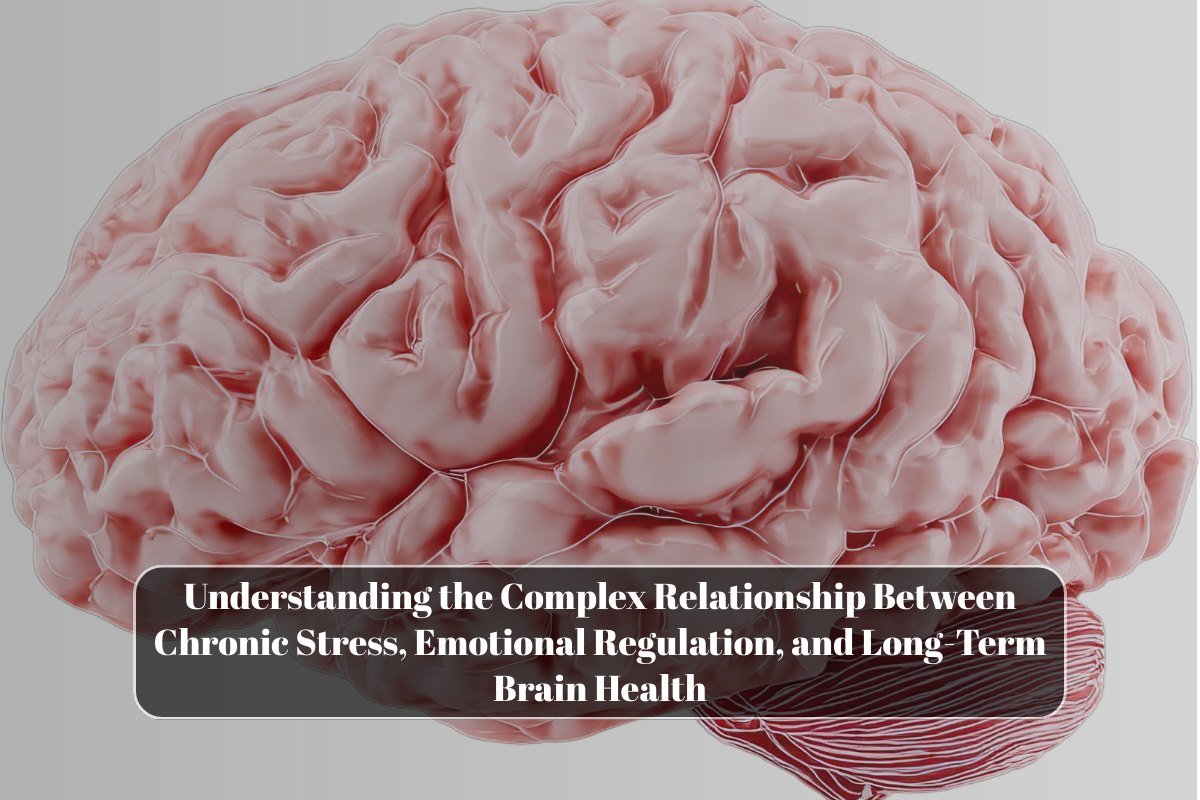
Chronic stress disrupts emotional regulation, triggering neurochemical cascades that erode brain structures over decades, heightening risks for cognitive decline and mental disorders. Effective regulation strategies like mindfulness buffer these effects by preserving hippocampal volume and prefrontal integrity. This interplay shapes resilience, with poor management accelerating neurodegeneration akin to accelerated aging.
Mechanisms of Chronic Stress on the Brain
Prolonged cortisol elevation from stress shrinks the hippocampus by 10-15%, impairing memory consolidation and spatial navigation through glucocorticoid receptor overload. Amygdala hyperactivity amplifies fear responses, while prefrontal cortex thinning weakens executive control, fostering impulsivity and anxiety loops. Over years, this promotes beta-amyloid buildup, mirroring early Alzheimer’s pathology.

Inflammation via NF-κB pathways and telomere shortening compound damage, reducing neuroplasticity and BDNF levels essential for neuron survival. Rodent models show 21-day stress equivalents cause dendritic retraction, reversible only with intervention.
Role of Emotional Regulation
Adaptive strategies—cognitive reappraisal and suppression—downregulate HPA axis activity, restoring cortisol rhythms and safeguarding gray matter. Mindfulness-based practices enhance vagal tone, cutting amygdala reactivity by 20% in fMRI studies, while poor habits like rumination sustain fight-or-flight states.
Emotionally regulated individuals exhibit thicker anterior cingulate cortices, linked to better decision-making under pressure. Longitudinal data from 1,000+ adults reveal skilled regulators enjoy 5-7 fewer depression episodes over 20 years.
Long-Term Brain Health Consequences

Unchecked stress doubles dementia odds by age 70, via vascular damage and oxidative stress eroding white matter tracts. Emotional dysregulation correlates with 30% faster cognitive decline, as seen in Framingham cohorts, through sustained inflammation and sleep fragmentation.
Resilience builders like social support preserve executive function, contrasting with isolation-amplified atrophy. Midlife stress management predicts 80% variance in late-life cognition.
Interventions for Neuroprotection
Cognitive behavioral therapy normalizes limbic hyperactivity within 12 weeks, boosting hippocampal neurogenesis via increased BDNF. Aerobic exercise and meditation synergize, elevating GABA and serotonin to fortify regulatory circuits against atrophy.

Pharmacological aids like SSRIs aid acute phases, but lifestyle shifts yield sustained gains, halving progression to MCI in at-risk groups.
FAQs
Q. How does chronic stress physically alter the brain?
Elevated cortisol atrophies hippocampus and prefrontal areas, sparking inflammation and amyloid plaques over years.
Q. What emotional regulation techniques protect brain health?
Reappraisal and mindfulness reduce amygdala firing, preserving plasticity and cutting dementia risk by 25%.
Q. Can long-term stress cause irreversible damage?
Yes, telomere erosion and white matter loss accumulate, but early intervention reverses up to 60% via BDNF upregulation.
Q. Who is most vulnerable to this stress-regulation-brain triad?
Caregivers, high-achievers, and trauma survivors show 2x faster decline without coping skills.
Q. How quickly do interventions improve outcomes?
8-12 weeks of therapy/exercise restores cortisol balance and cognition scores in 70% of cases.