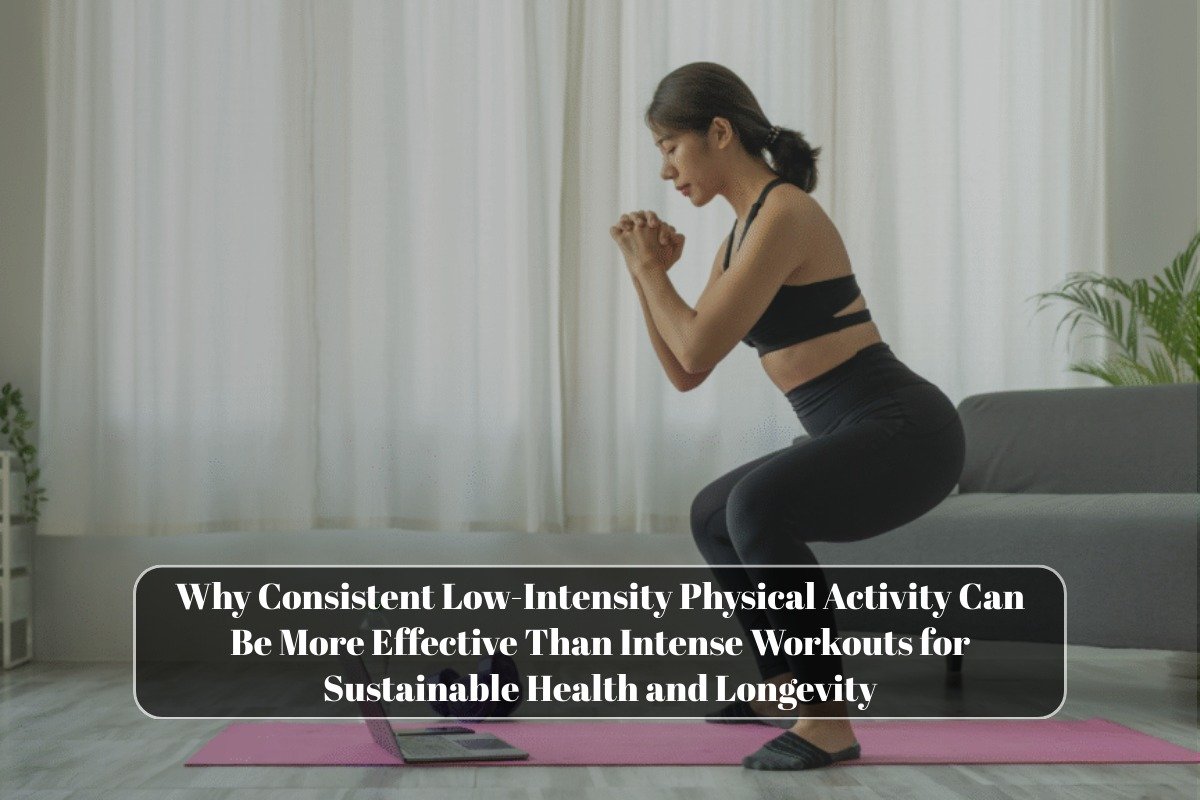
Consistent low-intensity activity like walking or light cycling builds enduring health through daily accumulation, outperforming sporadic intense sessions by minimizing injury risk and enhancing adherence over decades. This approach boosts NEAT (non-exercise activity thermogenesis), preserves joints, and yields comparable mortality reductions without burnout.
Superior Sustainability and Adherence
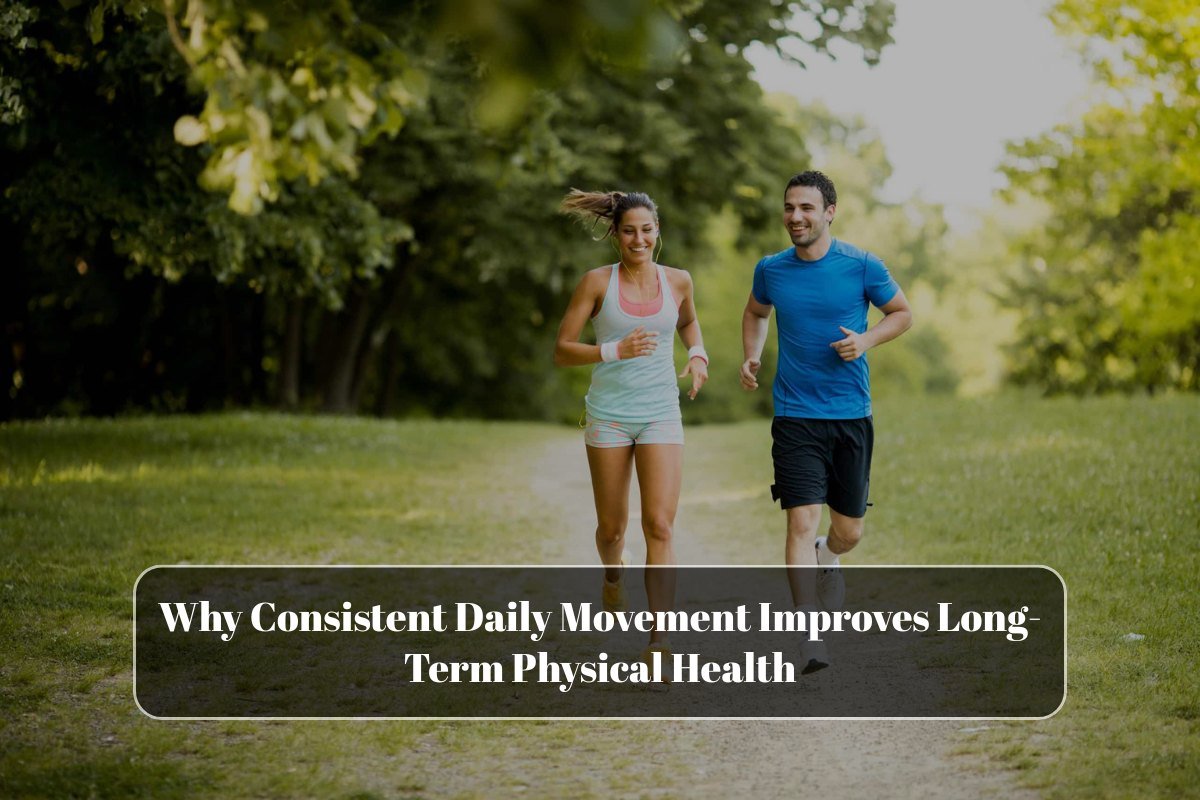
Low-intensity steady-state (LISS) exercise allows daily sessions without extended recovery, fostering lifelong habits—key since consistency trumps intensity for 30-35% all-cause mortality cuts. HIIT demands 48-72 hour breaks, leading to dropout rates 2x higher in long-term studies, while LISS users log 300+ minutes weekly effortlessly. Over years, this volume edge prevents sarcopenia and frailty better than intermittent bursts.
Joint Protection and Injury Prevention

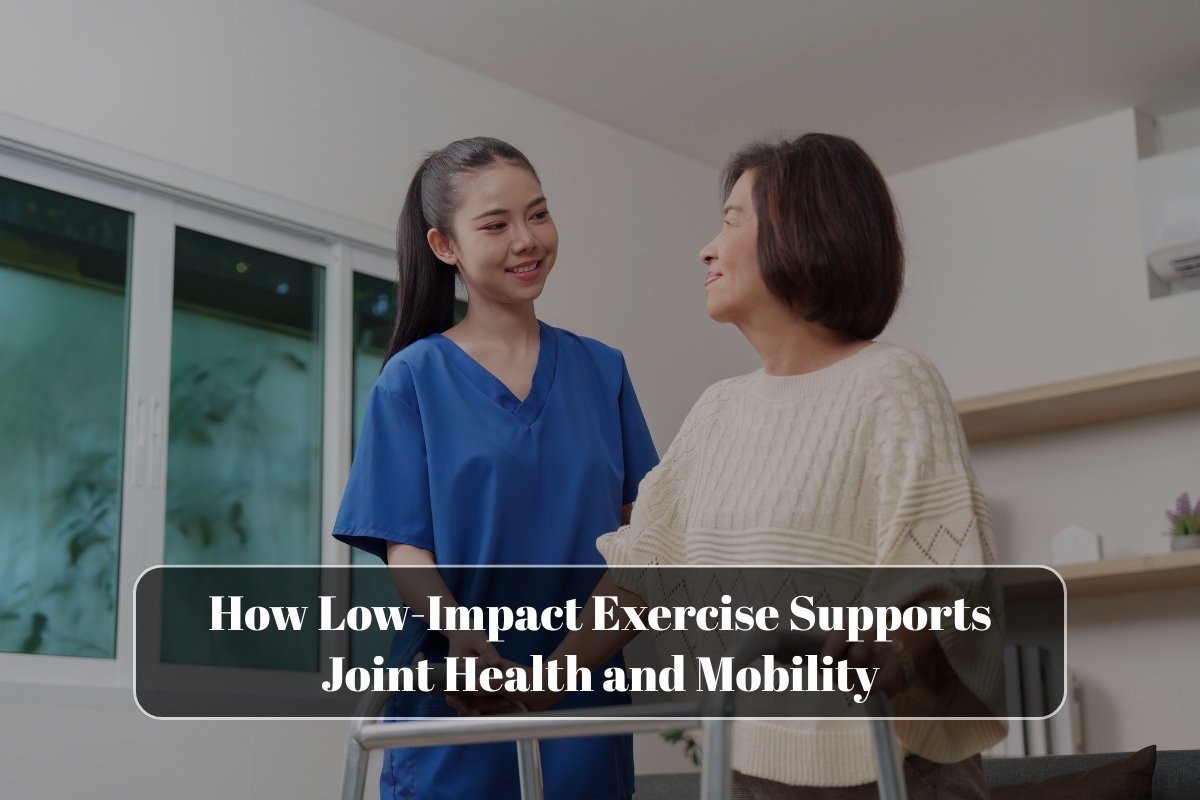
High-impact workouts strain knees and hips with forces 3-5x body weight, accelerating osteoarthritis in 20-30% of enthusiasts after 10 years. LISS distributes load gently, maintaining cartilage and bone density via consistent osteoblast stimulation without microtrauma. Older adults sustain activity 5x longer with walking versus running, preserving mobility into 80s.
Metabolic and Cardiovascular Gains
Daily LISS elevates mitochondrial efficiency and insulin sensitivity gradually, matching HIIT’s fat oxidation but sustaining it via higher total volume—up to 600 MET-min/week safely. It reduces CVD risk by 43% when combined with routine movement, outperforming sedentary HIIT in population data. Low-intensity boosts endothelial function and lowers blood pressure more steadily, cutting chronic disease odds without overtraining syndrome.
Longevity Through Cumulative Volume
Studies show moderate volume (300-600 min/week) drives longevity, with LISS enabling this threshold daily versus HIIT’s weekly cap. Low-intensity walkers exhibit better physical function, quality of life, and fewer depressive symptoms than high-intensity peers, linking to 5-8 year life expectancy gains. Intensity plateaus quickly, but volume from consistent LISS linearly lowers mortality, especially for non-CVD outcomes.
Mental Health and Holistic Benefits
LISS reduces stress via endorphin release and mindfulness, improving mood and sleep without cortisol spikes from HIIT. It enhances inclusivity for beginners, elders, and rehab patients, yielding broader population healthspan extensions.
FAQs
Q. Why prioritize low-intensity over HIIT for longevity?
LISS sustains higher weekly volume with lower dropout and injury risk, matching or exceeding mortality reductions via consistency.
Q. Does LISS build cardiovascular health as effectively?
Yes, daily accumulation improves endurance, blood pressure, and endothelial function comparably, without overtraining.
Q. How does it prevent injuries better than intense workouts?
Gentle loads avoid joint microtrauma, allowing lifelong adherence—runners face 3x osteoarthritis risk.
Q. What’s the ideal low-intensity routine for health?
30-60 min daily walking/cycling (150-300 min/week total), boosting NEAT for 30% mortality drop.
Q. Can LISS match HIIT for fat loss and fitness?
Equivalent via volume; sustains fat burn and VO2 max gains long-term, ideal for sustainable weight management.